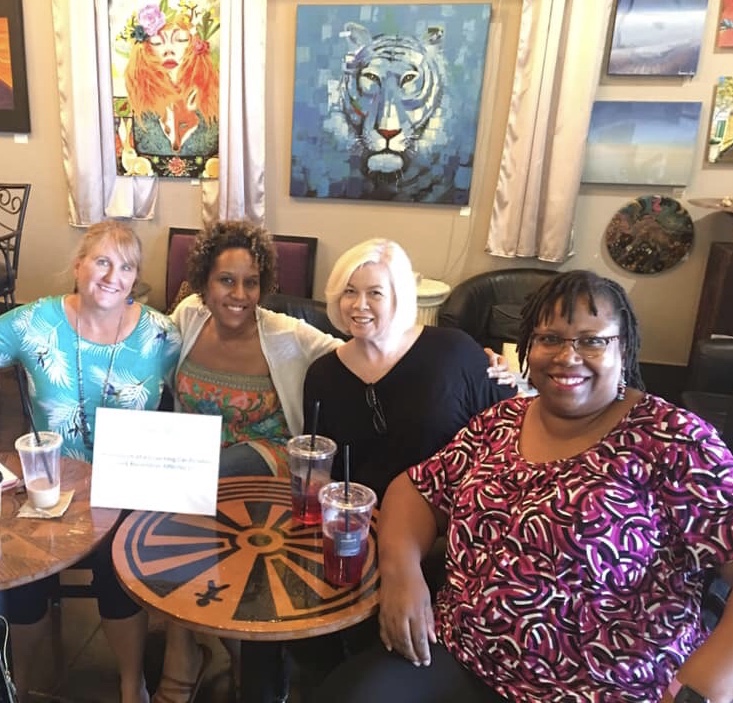
In this podcast episode, we will be discussing Angela’s health journey for the past few months after having aggressive cancer and her healing transformation. Click below to listen to the full podcast episode:
For Angela, the aggressive cancer was a chance to see how angry she was at life. The glamour and illusion of how she thought life should be. Is this how you want to live your life? Are you busy and focused on how things are not the way you want? Angela was supposed to die in all given circumstances and from a physical diagnosis and doctor’s point of view, but she didn’t. The message she received was – No. What are you doing here?
When she was trying to die, and it wasn’t her time, so Angela had to come back—and again, dealing with the illusion of how it should be when you pass over. She got a rude and firm rejection from the spirit world. No! Go back, back to life. Every moment of her sickness after trying to die became a stepping stone to how to come back to life.
Coming next Episode 13 – Angela’s Journey Back to Life – A Life Worth Living – Part 2 – The Healing Miracle and Transformation! Angela will share what she learned from the hospital bed about healing, miracles, and transformation.
I am sure everyone has had a life situation where we wish we told someone how we truly felt. Whether it was a childhood crush or wished we spoke up at a group meeting or knew something was happening that wasn’t right.
Fear can immobilize us not to act. Then Guilt or regret lingers on and on inside of us. It may continue throughout our lifetime. Guilt or shame can leave us feeling empty, unsatisfied, or longing for something we didn’t have the guts to pursue. We all probably heard the old saying, “Time heals all wounds.”Does it really?
“Time Heals All Wounds.” Does it really?
Some wounds will never heal until addressed. I know this is easier said than done.
How many of us have been ghosted sometime in our life?
It may have been a relationship, a job offer, a networking acquaintance, or a business deal.
Did you want to know the reason why?
Unfortunately, most of the time, a reason why will never come.
Overthinking about the situation can really take a toll on a person. It may cause depression, anger, suicidal thoughts, sadness, ulcers, overwhelm, uncontrollable crying, anxiety attacks, and so much more.
“Don’t be pushed around by the fears in your mind. Be led by the dreams in your heart.” ~ Roy T. Bennett
Time may soften the disappointment, regret, and hurt, but it’s still there deep down inside. Time is not the healer; it is the inner work of dealing with the emotions that heals you. Healing requires constant mental work of positive self-talk and the ability to let it go.
How do you get over it and move on?
🦋 Recite positive affirmations for healing and to eliminate negative thoughts.
🦋 Create a gratitude journal. Every day in the journal, write one to three things you are grateful for in your daily life.
🦋 Be aware of your emotions and feelings. Work on halting the complaining and overthinking about the situation.
🦋 Spend time with positive, happy, and motivated people.
🦋 Pick your battles. Sometimes chasing the person may cause more damage to you. If the recipient doesn’t want to hear from you, they won’t respond. Start focusing on want you want in life.
🦋 Hire a life coach or therapist to help you let go of the hurt and disappointment.
“Your peace is more important than driving yourself crazy trying to understand why something happened the way it did. Let it go!” ~ Mandy Hale
Takeaway:
Isn’t it time to be happy? Being upset, angry, and overthinking really isn’t working. Love yourself and those around you enough to let it go. A huge part of healing is believing you deserve a better life of peace, joy, and love. ~ Patti 🦋
Did you find this helpful? If so, please share this blog post with others! Comments are always welcome. You may use your initials or anonymous for your name, if this makes you feel more comfortable to comment. 🙂 Thank you for following and supporting me.
Lately, I have been hearing this phrase when people are talking about their coworkers.
Don’t be that guy!
Employers and staff may use this term when someone has committed bad behavior or done something procedurally wrong. In some organizations, they use this term “Don’t be that (Guy) Person” for humiliation or an example of what not to do. The poster child of what not to be in the workplace.
Is shaming an effective management strategy?
Some say yes because it represents what not to do in the workplace and halts people from doing it.
How does “Don’t be that Person” cope with being the scapegoat?
Some quit some stay and deal with the whispering behind their backs and the harsh judgment while others checkout (isolate themselves).
Maybe some organizations want this type of shaming to keep things under control. If so, something is wrong. Someone once told me you live in a fantasy world if you think this type of management strategy will change.
What do you think?
Comments are welcome. What are your thoughts on this topic?
I was watching my grandchildren one-day last week and one of the toys we have is a child’s drum with percussions. My Mom bought it for my granddaughter last Christmas. My granddaughter loves it. We had a good jam session with it. She loves music and dancing around. She smiles so big and dances endlessly. It is so joyful to watch.
Being a leadership and work-life balance coach, I am always looking for new ways to release stress and to share these different methods. A couple of years ago one of my good friends told me about drum circles she attended and that they relieve stress. I’ve been thinking about going to a drum circle for a while and wanted to try it out.
So the adventure began. I found a drum circle on www.meetup.com and signed up to go. I asked my husband if he would accompany me. (He really needed to release some stress!) He looked at me with apprehension and said what is it? I explained that a drum circle is where everyone beats on a drum. I wanted to check it out to see how it helps to reduce stress levels and possibly write a blog post about the experience. He was hesitant at first. I said, oh come on let’s make it an adventure. He said okay. 🙂
When we arrived, there were all different sizes of African drums to pick from. The instructor showed us how to hold the drums correctly. Both of us picked a tall drum to sit with between our legs to play. The participants sat in either chair or on a couch in a circle so we could see each other around the room. The instructor started hand drumming slowing with a hand rhythm and we would follow the pattern. Then she would slowly increase the pace for us to follow along.
My husband Tom was natural. He picked up playing the beats quickly. I was all over the place but was having fun banging on the drum. As the class went on, each one of us in the drum circle would start a beat and everyone else would follow. We even had one lady dancing around with a percussion towards the end. She was really enjoying herself and all of us like watching her dance around to the beat of the music. Some of the other participants would switch instruments by using different types of drums or percussions. Handheld drums, floor drums and assorted of percussions. Tom and I keep to the same drum. Towards the last few minutes of the drum circle event, I tried a percussion. It looks similar to a cheese grater but was shaped like a banana and raddled and had a rake to scrap the outside. I would shake it and rake it to make sounds to the beat of the drums. To be honest I wasn’t really to the beat of the music but I tried my best. Haha!
I enjoyed it. I had to really concentrate on the hand movements to follow the rhythm.
Did it relieve stress?
Yes, I think it did. The sound of the vibrations and movement of hands took your mind off of everything but what was happening around you.
Would I do it again?
Definitely, I really did enjoy it. My hands hurt a little afterward but not for too long. I asked Tom his thoughts and he said maybe he would go again if it was closer to home and the timing was right. He didn’t think it really reduced stress but it surprised him that he had a talent he didn’t even know he had. He hadn’t played a musical instrument before.
My only regret was we didn’t take any photos while we were there to share with this post.
Takeaway:
A drum circle was a way to be focussed and concentrate on the hand rhythm and beat of making beautiful sounds. It was an adventure of getting out of our comfort zone, trying something new, meeting different people and getting our minds off of everything else, except the sound and vibration of the music. Everyone should try something new and get out of their comfort zone every once in awhile. In my opinion, it was two hours well spent. ~Patti
Comments are always welcome. You can always use your initials or anonymous for your name, if this makes you feel more comfortable to respond. 🙂 Did you find this helpful? If so, please share this blog post with your colleagues, friends, and family on all your social networks! Thank you. 🙂
To schedule “one on one coaching” with Patti – click on the “Schedule Now” button below:
This course is for leaders who are crazy busy, working 24/7 and want something more in their life. 7 easy hacks to create some personal life balance in this so-called busy life!
Here are the dates and time zones to catch it live.
July 23, 2019 5:30 PM Pacific Standard Time 6:30 PM Mountain Standard Time 7:30 PM Central Standard Time 8:30 PM Eastern Standard Time July 24, 2019 10:30 AM Sydney, Australia Time
As a leader, have you stopped, pause, and reflected before reacting?
I know this can be difficult at times, especially when in the middle of a crisis. We want to resolve the problem as quickly as possible. When pausing, we won’t jump immediately into the wrong conclusion.
Incorporating the Art of Pause into Leadership:
The PAUSE and REFLECT Technique When at work and someone is rude to you. Or you don’t agree with them. Pause for three to five seconds before responding. Pausing will give you time to reframe your reply or decide not to respond at all.
Pause, Reflect and Don’t send an email response you will regret!I think everyone has sent an email they regretted sending sometime or another. What if you receive a nasty passive/aggressive email? Before responding to the email. Write out your reply. Don’t send it and walk away. If possible sleep on it. Then rewrite the email response, when you have calmed down. Have someone else read it to help tone down the language before hitting the send button.
“Anger doesn’t solve anything. It builds nothing, but it can destroy everything”. – unknown
Don’t get me wrong as a leader. There are times you have to be direct with employees for them to improve their work performance. We can’t ignore the situation and let it continue. Have a plan on how to address it. Write it out and practice what and how to say it. There are also times when you do need to respond immediately and make a quick decision. When possible, take the opportunity to pause and reflect. What is happening around you? It may change your approach and captivate a great solution.
Discussion Questions:
What are your thoughts about the art of pause?
How will you incorporate it into your leadership style?
Comments are always welcome. You can always use your initials or anonymous for your name, if this makes you feel more comfortable to respond. 🙂
Did you find this helpful? if so, please share this blog post with your colleagues, friends, and family on all your social networks! Thank you. 🙂
This mini course is for leaders who are crazy busy, working 24/7 and want something more in life beyond their career. 7 easy hacks to create some personal life balance in this so-called busy life!
As a leader having efficient and effective meetings is crucial to running a successful business. Group meetings that aren’t productive are a waste of valuable time and cost the company money.
Have you ever been in a meeting, and there is at least one person or all attendees that have nothing positive to say about anything?
I remember one day I finally snapped in a meeting. My leader wasn’t listening and talked over me while explaining why my team needed some technical help. So I started raising my voice over my leader. I was so upset with myself. That day, I realized this isn’t for me, and I didn’t particularly appreciate pushed to respond that way. I knew that this was the norm for the group, always trying to one-up, and I didn’t want to play anymore. I started putting my exit plan into action; it was time to remove myself from working there.
What are rude behaviors in meetings?
Interrupting the person speaking
Not listening, acting bored, or lack of engagement
Being disrespectful to the speaker
Two people talking privately among themselves while someone else is speaking
People are just plain hostile to each other
Arguing over whose point is right
Over talking each other
Sarcastic, mean comments to the speaker or each other
Being very judgmental to each other
One-upping each other
Participants taking everything that is said very personally due to the hostile interaction
Embarrassing the host or leader with malicious remarks
I have been in group meetings where all of these actions have happened, been the target, and been a participant in some disrespectful behaviors. I am not proud of the way I acted, discourteous and unprofessional at times, but that was acceptable to voice your opinion. Was this behavior a way to conquer and get what was needed? Not really. Did anything get resolved? Most of the time, nothing accomplished.
What lesson did I learn? I wanted things to be different, and I probably cared too much. I was tired, beaten down, disrespected, and unhappy with the results. I knew nothing would change in these meetings, and I had to either accept it, change my thinking or leave.
On the bright side, my team at the time had a code of conduct for our meetings. People were respectful to each other and followed them. If someone didn’t follow the code of conduct, including me, the team would call you out on it. Things got resolved, and people felt heard.
What happened to common courtesy, collaboration, and respectfulness towards each other?
How can we change the behavior? I believe it takes one person at a time and the leader to lead by example and reverse this unprofessional behavior.
Here are some tips:
Set up rules of conduct for meeting(s). Go over them at the beginning of each meeting as a reminder. Have the code of conduct on the agenda template. As time goes on with the same group of attendees, the code of conduct will not need addressing because it is on the agenda. I would recommend that a new person attend the meeting to read the code of conduct at the beginning of the meeting.
When someone says something negative, turn to them and say something positive about the topic or person.
When someone intentionally breaks meeting etiquette, politely remind them or refer to the code of conduct.
As the leader, focus on following the code of conduct, leading by example, and positive meeting etiquette will become achievable by all participants.
Redirect the “off-topic” discussions for later.
Takeaway:
Having a set code of conduct and behavior etiquette is so essential to running successful meetings. Being courteous and respectful allows everyone to speak, be heard, participate, engage, and this is when great results will happen. Be organized and prepared. As a leader, we lead by example and if we are not focused and engaged; our employees will not be either. ~ Patti
Comments are always welcome. You can use your initials or anonymous for your name if this makes you feel more comfortable responding. 🙂 Did you find this helpful? If so, please share this blog post with your colleagues, friends, and family on all your social networks! Thank you. 🙂
My husband and I enjoyed watching the TV show the Treehouse Masters on the Animal Planet channel. Pete Nelson is the Treehouse Master. He is a gentle and kind man. He is passionate about his job. He loves to have fun and designs each treehouse very special for his clients.
Treehouses lift the spirits. They inspire dreams. They represent freedom: from adults or adulthood, from duties and responsibilities, from an earthbound perspective. If we can’t fly with the birds, at least we can nest with them. – Pete Nelson
The treehouse(s) that Pete Nelson and his crew build are unique. Pete meets with his clients and designs what they want. He spends time getting to know his client(s) by asking questions and really listening to their desires. He is friendly and open. Pete gets very excited exploring and finding the perfect location with the right type of tree(s) to support the treehouse. When his clients see the treehouse for the first time their expressions of joy are priceless.
When his clients see the treehouse for the first time their expressions of joy are priceless.
Pete Nelson Leadership Style: He meets with his crew, gives them instructions and they build the treehouse. Pete gets out of the way and let’s his crew do their jobs. You can tell the staff love their work. They joke around but pay attention to detail. They work in all kinds of weather and still enjoy it.
What can we learn from Pete Nelson leadership style?
It is okay to laugh and have fun at work
Spend time getting to know your client(s) by asking questions and really listening
Take every client(s) challenging request and make it a reality
Give your client more than they ever dreamed possible
Get out of the way and let your staff do their job
Trust your staff that they will do a great job when you are not around
Discussion Question:
What can you incorporate starting today in your leadership from Pete Nelson example as a leader?
Comments are always welcome. You can always use your initials or anonymous for your name, if this makes you feel more comfortable to respond. 🙂 Did you find this helpful? If so, please share this blog post with your colleagues, friends, and family on all your social networks! Thank you. 🙂