In these monthly podcasts, we (Patti and Lynn) talk about everyday situations that can arise.
Two friends who have known each other for four decades want to share fun life adventures, life experiences, and life lessons to bring positivity into the world.
In this episode, we share about New Year’s Resolutions.
Do you make New Year’s Resolutions?
*According to a study published in the Journal of Clinical Psychology, only 46% of people who made New Year’s Resolutions were successful.*
We shared the list of the top *10 New Year’s Resolutions* with Patti and Lynn’s point of view.
What is your New Year’s Resolution?
Lynn shares funny New Year’s Resolutions.
Patti shares Tips on How to Succeed with Your New Year’s Resolutions.
What’s your New Year’s Resolution action plan for 2025?
Comment on the name of the traveling plant.
🎙️ Don’t forget to like, subscribe, share, and comment.
As a manager and supervisor, are you experiencing your employees silently quitting?
I came across an article on LinkedIn about the rising trend of quietly quitting and thought this is a good topic to explore.
Silently Quitting, which can contribute to a lack of enthusiasm, decreased productivity, or a reluctance to take on new tasks, has increased due to workplace burnout, dissatisfaction, and blurred lines between work and personal life. Many employees feel overwhelmed by expectations and find themselves doing just enough to meet their job requirements without going above and beyond.
Dealing with employee disengagement is not a passive task. It requires a proactive approach, and let’s explore why.
Here are some strategies for managers and supervisors:
Be a safe environment where employees share their thoughts, feedback, and concerns while creating a healthy work-life balance by respecting personal time and encouraging breaks. Flexible work arrangements help. Ensure employees understand their roles and responsibilities. Monitor workloads to ensure they are manageable, that employees are calm, and that they have the resources they need. Demonstrate engagement and positivity in your work. Your attitude can influence the team’s morale.
Having strategies can help create a more engaged and motivated workforce, reducing the likelihood of silent quitting.
Silent quitting can have several effects on the workplace.
When employees disengage, this creates an unpleasant atmosphere. Employees not invested in their work are slow to complete tasks or may not complete them. Employees who feel undervalued or unmotivated may seek other opportunities, leading to turnover rates and the costs of hiring new staff.
Addressing the issues that lead to silent quitting—such as lack of recognition, limited growth opportunities, or poor work-life balance—can help mitigate these adverse effects.
“Silent Quitting,” where employees disengage from their work without formally resigning, can significantly affect managers, supervisors, and employees.
Managers and Supervisors may see a reduction in team performance. If some members are visibly disengaged, the overall team morale can suffer.
They might have to take on extra responsibilities or redistribute tasks to accommodate less engaged and disengaged employees.
If silently quitting becomes the norm, Managers may need to implement these strategies.
To address silent quitting, managers can foster open communication, provide support, and ensure employees feel valued, engaged, and safe.
Question:
How have you experienced silent quitting, and how did you handle it?
If you are struggling with the daily grind and feel alone, a leadership, life, and work-life balance coach like me can help you overcome those everyday challenges and continue moving forward to where you want to be.
What are your opinions on the changing employee and company loyalty trend and its impact on company behavior?
Employees used to be more loyal to companies. This shift in loyalty may be due to a perceived lack of company not being loyal back.
There’s a growing perception that companies need to show more empathy towards their staff, treat them well, and support them in front of others.
Layoffs and retail store closures are happening to people who have worked for companies for decades, and employees who are more recent and making less money appear to keep their jobs.
What are your opinions on the changing employee and company loyalty trend and its impact on company behavior?
Let’s explore this together.
What do you think are the primary reasons people are not staying in companies for their entire careers or lifetimes as they have in the past?
Is it?
Lack of positive recognition and feeling undervalued.
Businesses not offering pensions or laying off staff before they reach their retirement date for a pension?
Lack of growth opportunities, passed over for promotion by a colleague who needs a better work ethic.
Working with less, excessive workload, and career burnout.
A toxic work environment or frustration with their manager or company work culture, mission, or values.
Management tolerates lousy behavior and the terrible work ethic of staff.
Policies change, workload changes, or job duties change.
Low pay or no raises in years.
Lack of clear direction or training for the job position.
Employees who don’t feel safe will start looking for something new.
Turnover and training new staff can be costly to the company’s bottom line, and what about losing knowledge, experience, and customers?
Customers tend to stay as repeat customers when they feel appreciated and have built a good relationship with an employee within the company.
Are there other ways to cut costs, see what’s working and what’s not, and try new strategies other than eliminating positions or closing stores?
There may be no other alternative. Have different strategies been considered? Hopefully, yes, and it was the last option.
Some companies have maintained loyalty. What do you think are some of the factors for this?
Employee loyalty and retention may have a combination of factors, many of which revolve around how employees feel about their work environment, the organization’s culture, and the value placed on them as individuals.
Today’s podcast Affirmation I strive to maintain employee retention!
If you are struggling with the daily grind and feel alone, a leadership, life, and work-life balance coach like me can help you overcome those everyday challenges and continue moving forward to where you want to be.
Get all the inside secrets and tools you need to develop your intuitive and leadership skills to achieve the highest success. Listen as we help you learn to be the person people want to go and grow with.
In this episode, you will learn:
How to consider your management style and its impact
Pay attention at group meetings – look for the signs
We shared that balance and harmony create abundance. In leadership work takes over, Patti Oskvarek and Lily McNamara discuss mastering balance work/life/relationships and how the big picture is the focus.
I was a guest on the Nope Podcast with Suzanne Culberg and shared about Work-Life Balance. We discussed practical strategies to help people say no to unwanted commitments, freeing up time for things that truly matter.
Patti shares insights on creating a balanced life, identifying joyless tasks, setting boundaries, and rediscovering hobbies.
The conversation emphasizes the importance of self-care, scheduling rest, and understanding that balance looks different for everyone.
00:00 Introduction
00:24 The Art of Saying No
02:43 Identifying and Prioritizing Joyful Activities
06:08 Creating Space for Hobbies and Self-Care
09:36 Scheduling and Protecting Personal Time
15:21 The Importance of Unplugging and Recharging
18:41 Adapting Work-Life Balance Throughout Life Stages
Have you ever taken a moment to reflect on your impact as a manager or supervisor?
Self-reflection is not just a tool for personal growth but a powerful way to empower yourself and for the well-being of your team.
I recently came across this powerful quote: ‘Your manager has more impact on your mental health than your therapist or doctor. Having a good boss can change your life. ~ Unknown.’
When you hear this quote, does it resonate with your experiences as a manager or supervisor?
What thoughts or memories does this quote bring up for you?
Throughout my career, I’ve had bosses who have influenced me positively and negatively. For instance, a manager who recognized my hard work and promoted me, boosting my confidence and my career path. On the other hand, a supervisor constantly criticized me, leading to people-pleasing behaviors. I couldn’t help but relate to the message.
What about you?
As managers and supervisors, our decisions and actions profoundly impact others, often more than we realize. We must understand and acknowledge this responsibility. I know throughout my career, the decisions I made impacted myself, the employees, and the work environment, whether positive or negative. I made decisions with strategies and thought about how it would affect all of us. Sometimes, you think you made a good decision and later realize you didn’t; that happens, but I learned valuable lessons throughout those years.
People often criticize Managers and Supervisors without understanding the dilemmas, the reasoning behind the decisions, or the compromises and negotiations required to maintain a business or corporate setting.
Let’s explore:
*Be aware of changes in your staff’s behaviors, such as increased absenteeism, decreased productivity, or other behavioral changes.
*Show empathy and provide support during challenging times, personally and professionally.
*You can significantly enhance job satisfaction by providing opportunities for personal development, growth, and advancement.
*It’s a powerful way to show compassion and investment in your employees’ well-being.
*Encouraging flexible working hours, remote work options, and taking time off.
*Provide coaching, feedback, and training opportunities.
*Address conflicts in the workplace through listening and good communication with each other.
Creating a safe and positive workplace is not just a pleasant environment but a must for any manager or supervisor. It’s a commitment to your team’s well-being and a powerful way to inspire and motivate them. Such a workplace can transform chaos into calm, create harmony, and increase productivity, job satisfaction, employee retention, and good communication within team relationships.
If you are struggling with the daily grind and feel alone, a leadership and work-life balance coach like me can provide guidance and support. I can help you navigate those everyday challenges, improve your leadership skills, and maintain a healthy work-life balance so you can continue moving to where you want to be.
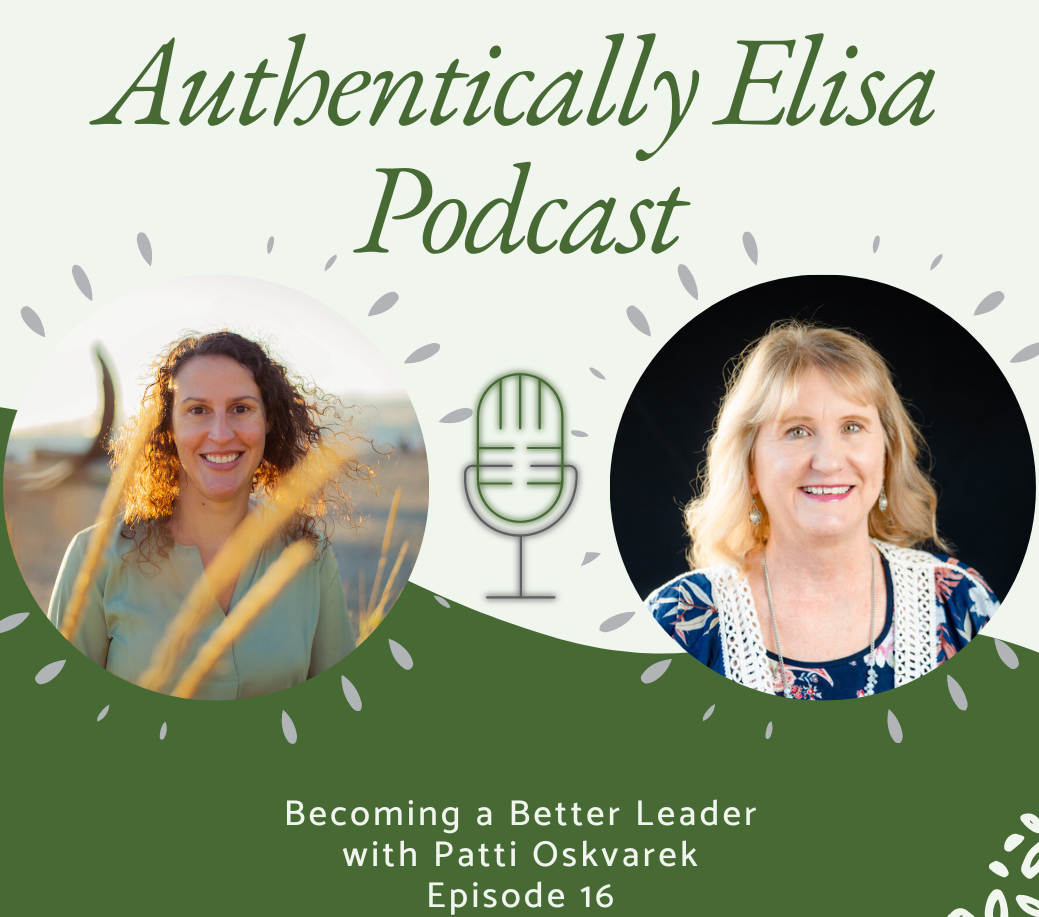
Authentically, Elisa is a podcast dedicated to inspiring stories of transformation, expert insights, and practical tips for embracing authenticity in both personal and professional life. Elisa is a fantastic host, and I thoroughly enjoyed our discussion.
Please tune in to my episode and share it with anyone else you feel could benefit from it. While you’re there, check out a few other episodes. I also encourage you to leave a review and subscribe to the show.
Thank you for your continued support, and I hope you enjoy listening to the episode as much as I enjoyed recording it.
Have you ever found yourself in a situation where work seems to be taking over your personal life?
Let’s explore the reasons for this work-life imbalance.
Whether you’re a manager, supervisor, employee, freelancer, entrepreneur, or business owner, the struggle with work-life balance is real. It’s not just about job titles; it’s about unmanageable workloads, deadlines, and unproductive meetings that spill over into personal time.
Reflect on what you want in your life and what you need to remove to achieve balance at work and in your personal life, and start putting it into action.
After reflecting, what are some of your work-life balance imbalances?
If you have any thoughts, experiences, or questions, I would love to hear about them. Your insights could be invaluable to others navigating this journey with us. Feel free to share in the comments section below as we support each other in achieving work-life balance in this busy world.
I am achieving Work-Life Balance, and it’s good for my soul and family!
If you want more in life than work, consider scheduling a Work-Life Balance Coaching Session with Patti. In these sessions, I will provide personalized guidance and support to your specific situation, helping you find a personal life again and open up a world of possibilities for a more fulfilling life.
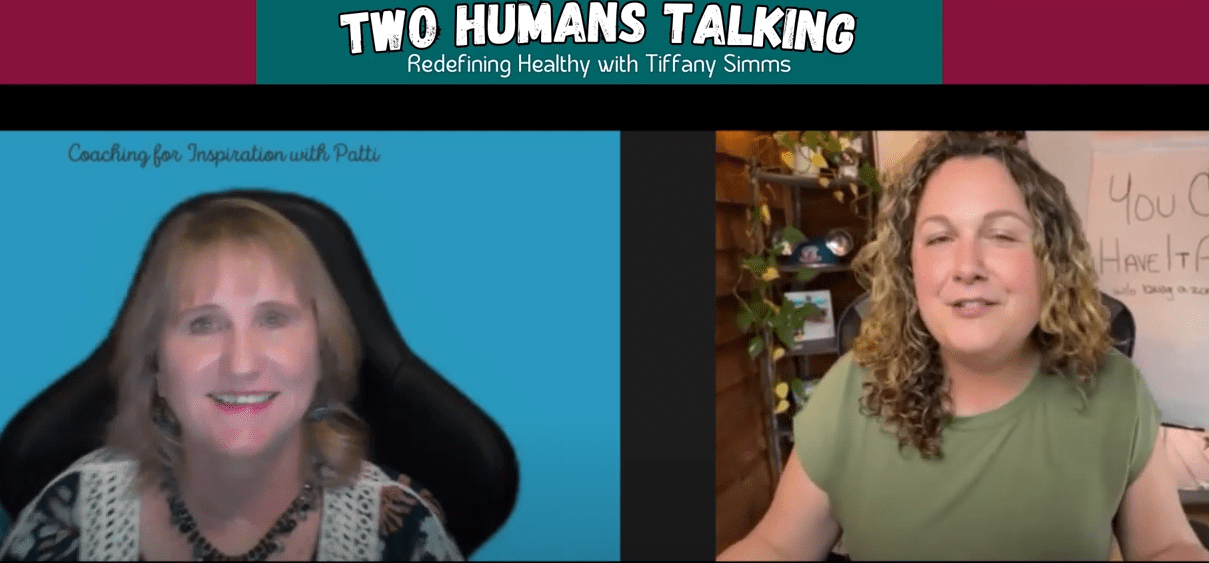
Welcome to Two Humans Talking: Redefining Healthy with Tiffany Simms!
In this episode of “Two Humans Talking,” Tiffany pulls back the curtain and shares the nuances of holistic health that no one talks about in our fast-paced world. Join us for a candid conversation as we explore real-life experiences and behind-the-scenes insights with our special guest, Patti Oskvarek, Leadership and Work-Life Balance Coach and Reiki Master.
In this quick episode, we chat about overcoming stress and burnout.
Whether you’re a seasoned wellness enthusiast or just beginning your journey to better health, this episode offers valuable perspectives and actionable tips to help you thrive in mind, body, and spirit.
🔔 Don’t miss out on this engaging discussion!
Hit the subscribe button and turn on notifications to stay updated on future episodes.
👍 Enjoyed this episode? Give it a thumbs up and share your thoughts in the comments.
We’d love to hear from you! 🌟 :
Follow Tiffany Simms on your favorite Social Media Platforms